What is an Escalation Clause in Real Estate
What is an Escalation Clause in Real Estate – An escalation clause is a powerful tool in the realm of real estate transactions, especially in competitive markets. This clause automatically increases a buyer’s offer in response to competing bids, making it a strategic advantage for prospective homeowners. The primary purpose of an escalation clause is to help buyers secure a property without overpaying from the start. By incorporating this clause into a purchase agreement, buyers can stay competitive while ensuring they remain within their financial limits.
Definition of Escalation Clause
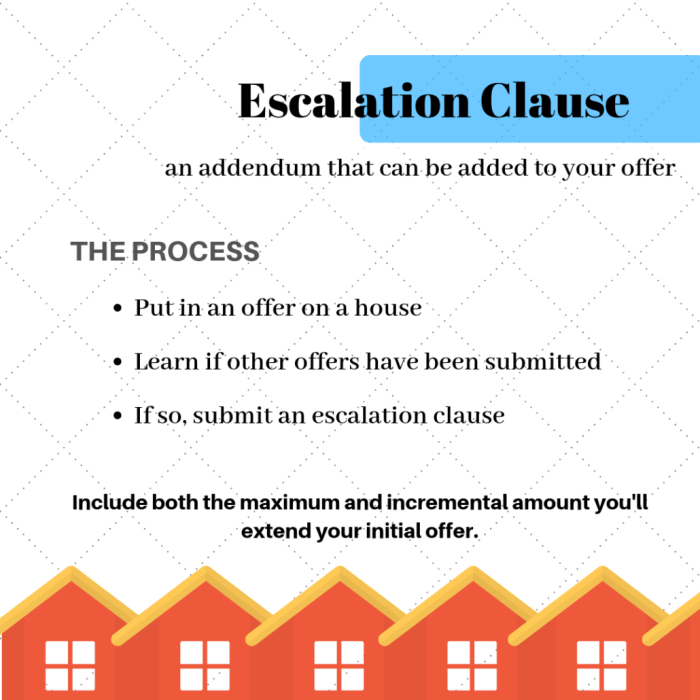
An escalation clause is designed to provide a clear framework for how much a buyer is willing to increase their offer in response to other bids. This clause typically Artikels the maximum price the buyer is willing to pay, along with conditions under which the escalation will occur. In competitive real estate markets, where multiple offers are common, this clause can benefit buyers by allowing them to adjust their offers dynamically, thereby increasing their chances of securing the property.
Key Components of an Escalation Clause
An effective escalation clause contains several key elements that are crucial for its functionality:
- Maximum Price: This is the highest price the buyer is willing to pay for the property. It sets a clear limit and prevents the buyer from being caught in a bidding war that exceeds their budget.
- Triggers for Escalation: This specifies the conditions under which the clause will activate, such as receiving another offer. It provides clarity on when and how the bid will increase.
- Proof of Competing Offers: Buyers typically must request proof of competing offers to validate the escalation. This ensures transparency and fairness in the bidding process.
For instance, a contract may state that the buyer’s initial offer is $300,000, with an escalation clause that increases the offer by $5,000 for each competing bid, up to a maximum of $350,000.
Situations Where Escalation Clauses are Used
Escalation clauses are particularly useful in certain market conditions:
- Highly competitive markets where multiple offers on properties are common.
- Situations where buyers anticipate receiving multiple bids, such as during peak buying seasons.
- When properties are listed below market value, attracting numerous interested buyers.
In these scenarios, including an escalation clause in an offer can provide buyers an edge by ensuring their bids remain competitive, particularly during bidding wars where properties are in high demand.
Implications for Sellers
Receiving offers with escalation clauses can significantly impact sellers:
- Offers with escalation clauses often indicate serious buyers who are willing to compete for the property, potentially leading to higher sale prices.
- Sellers can respond to escalation clauses by considering not just the initial offer but the potential maximum price as well.
- However, sellers should also be cautious of the risks, such as the possibility of undervaluing their property if they solely rely on buyer escalations.
This highlights the need for sellers to evaluate offers holistically, taking into account both the terms and the potential outcomes of escalation.
Legal Considerations
The inclusion of an escalation clause in a real estate contract brings forth various legal implications:
- It’s essential to ensure that the clause complies with local real estate laws to avoid potential disputes.
- Buyers and sellers should work with legal professionals to draft clauses that are clear and enforceable.
- Poorly drafted escalation clauses can lead to misunderstandings, potential lawsuits, or financial repercussions, making it vital to get it right.
Proper legal guidance can help both parties navigate these complexities and create a binding agreement that protects their interests.
Alternatives to Escalation Clauses, What is an Escalation Clause in Real Estate
While escalation clauses are useful, buyers have other strategies to compete in a hot real estate market:
- Submitting a strong initial offer that is close to the market price without using escalation.
- Including a personal letter to the seller to make their offer more appealing.
- Offering to cover certain closing costs or flexible closing dates to entice sellers.
These alternatives can be just as effective, depending on the circumstances, and allow buyers to structure their offers creatively without relying on escalation clauses.
Best Practices for Using Escalation Clauses
To effectively utilize an escalation clause, buyers should follow certain best practices:
- Clearly Artikel the terms of the escalation clause in the purchase agreement to avoid misunderstandings.
- Avoid setting the maximum price too high, as this can lead to unintentional overspending.
- Consult with a real estate agent to understand the local market dynamics and set realistic expectations.
By adhering to these guidelines, buyers can maximize their chances of successfully using escalation clauses to secure their desired properties while minimizing risks.